
- Home
- Uncategorized
- Complete Visitor Guide: Museum of Tribal Arts & Artefacts (Odisha State Tribal Museum), Bhubaneswar
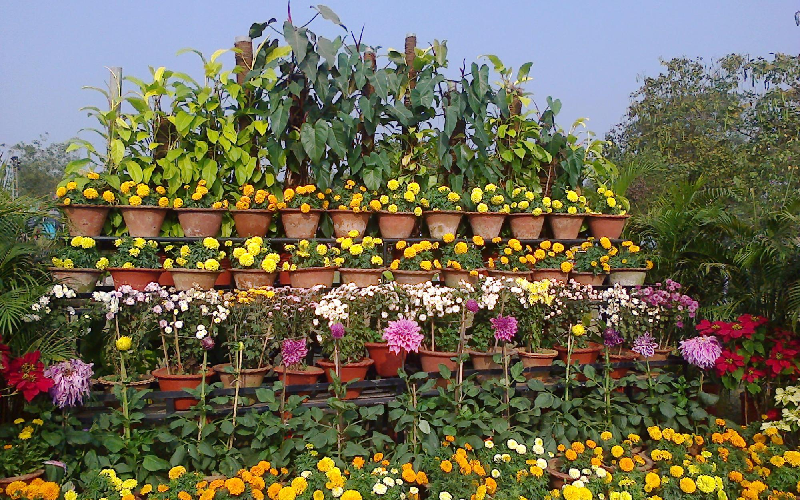
Complete Visitor Guide: Museum of Tribal Arts & Artefacts (Odisha State Tribal Museum), Bhubaneswar
Located roughly 5 km from PRR Guest House in Kalinga Nagar, the Odisha State Tribal Museum is one of India’s finest anthropological museums — home to five thematic indoor galleries, interactive digital kiosks, and 14 full-scale authentic tribal huts built by native artisans.
🏨 Stay Nearby: PRR Guest House offers 28 fully air-conditioned rooms with modern amenities just minutes from CRPF Square and the museum campus.
Museum of Tribal Arts & Artefacts at a Glance
The Museum of Tribal Arts and Artefacts — officially renamed the Odisha State Tribal Museum (OSTM) — is a premier anthropological research museum in Bhubaneswar, Odisha. Functioning under the Scheduled Castes and Scheduled Tribes Research and Training Institute (SCSTRTI), it showcases the cultural heritage, lifestyles, and art of Odisha’s 62 indigenous tribal communities.
Location
SCSTRTI Campus, Unit-VIII, CRPF Square, Nayapalli, Bhubaneswar, Khordha, Odisha – 751003
Timings
10:00 AM – 5:00 PM (Closed Mondays & Odisha State Government Holidays)
Entry Fee
Free
Highlights
5 indoor thematic galleries, interactive digital/AR-VR kiosks, and 14 full-scale authentic tribal huts in an outdoor complex
A Journey Into Odisha's Indigenous Heritage
Established in 1985 under the Department of Forest & Environment, Government of Odisha, Ekamra Kanan operates as an autonomous research institute focused on:
Founded in 1953 as an institutional museum attached to the Tribal Research Bureau (now SCSTRTI), the museum was established to document, preserve, and conduct scientific anthropological studies on Odisha’s indigenous tribes.
It was re-opened on 5 March 2001 as an expanded, modern “living museum” complex by the Government of Odisha, and has since been digitised with AR/VR interactive audio-visual guides and kiosks.
Key Facts
– Governing Body: Department of ST & SC Development, Minorities & Backward Classes Welfare, Government of Odisha
– Anthropological Importance: Central repository for the heritage of 62 tribal groups in Odisha, including 13 Particularly Vulnerable Tribal Groups (PVTGs)
– Type: Ethnographic / Anthropological Museum & Living Heritage Complex
Quick Visitor Information
Visitor Requirement | Details & Specifications |
Official Name | Odisha State Tribal Museum (OSTM) |
Alternative Names | Museum of Tribal Arts and Artefacts, Tribal Museum Bhubaneswar, Museum of Man |
Type of Attraction | Ethnographic / Anthropological Museum & Living Heritage Complex |
Location | SCSTRTI Campus, Unit-VIII, CRPF Square, Nayapalli, Bhubaneswar, Odisha |
District | Khordha |
State | Odisha |
Country | India |
PIN Code | 751003 |
Geographic Coordinates | 20.2562° N, 85.8415° E |
Approximate Elevation | ~45 meters above sea level |
Nearest Major Landmark | CRPF Square / NH-16 (formerly NH-5) Flyover |
Distance from PRR Guest House | ~5 km (approx. 12–15 minutes via Kalinga Nagar–CRPF Square route) |
Visiting Hours | 10:00 AM – 5:00 PM |
Weekly Off | Monday |
Holiday Closures | Closed on all Odisha State Government Holidays |
Entry Fee | Free (No ticket required) |
Ideal Duration | 1.5 to 2.5 Hours |
Inside the Museum: Five Thematic Galleries + PVTG Hall
Hall I — Personal Adornments
Bead jewellery, heavy brass ornaments, and spiked defence ornaments worn by tribal communities across Odisha.
Hall II — Personal Belongings, Arts, Paintings & Textiles
Saora Ikons (Idital sacred wall murals), Juang combs, and intricately woven traditional garments.
Hall III — Hunting & Fishing Implements
Weapons of offence and defence, traditional hunting tools, and fishing equipment used in forest and riverine environments.
Hall IV — Household Objects & Agriculture
Domestic tools, cooking implements, and agricultural equipment that reflect sustainable indigenous living systems.
Hall V — Dance, Music & Dhokra Metal Casting
Traditional musical instruments, dance regalia, and the famous Dhokra lost-wax metal castings of Odisha.
PVTG Gallery
A dedicated audio-visual exhibition space profiling Odisha’s 13 Particularly Vulnerable Tribal Groups, offering deeper context on their habitats, challenges, and preservation efforts.
The Open-Air Complex: 14 Authentic Full-Scale Tribal Huts
The museum’s standout feature is its outdoor living heritage complex — full-scale replicas of traditional homes erected by native artisans using organic materials such as mud, straw, timber, bamboo, and natural pigments.
Replicated Dwellings Include:
– Santhal dwellings
– Juang dwellings
– Gadaba dwellings
– Lanjia Saora dwellings
– Gond dwellings
– Kandha dwellings
– Chuktia Bhunjia dwellings
More Than a Museum — A Cultural Repository
Sacred Ritual Artefacts
Exhibits include votive terra-cotta figures, shamanic shrines, and totem objects — such as the Godengueli rhino votive figure used by the Desia Kandha community for protection.
Tribal Art Traditions
Original Idital / Ikons (sacred wall murals) of the Lanjia Saora, Dhokra lost-wax casting, and handwoven textiles are displayed with contextual explanations.
Cultural Preservation
The museum actively documents sustainable living models, indigenous knowledge systems, and social structures of Odisha’s tribal communities — making it a living research resource, not just a display space.
Accessibility
Paved main pathways are accessible for strollers and senior citizens. Certain natural dirt tracks and greenhouses have step barriers for wheelchairs.
When Should You Visit?
Season | Months | Conditions | Recommendation |
Winter | October – March | Cool, pleasant | Best time — peak rose bloom season |
Summer | April – June | Hot & humid (38°C–43°C) | Visit early morning only |
Monsoon | July – September | Moderate rainfall | Lush greenery but slippery paths |
Getting to Museum PRR Guest House
By Auto / Cab
Request an auto-rickshaw or book an Ola / Uber / Rapido from our reception. The drive takes approximately 15–18 minutes via Kalinga Nagar Road and NH-16.
By Mo Bus
Mo Bus service connects IRC Village and Nayapalli directly. Nearest stop: IRC Village / Nayapalli. Our front desk can guide you to the nearest boarding point.
By Personal Vehicle
Head toward Ghatikia Chhak, join NH-16 heading north, exit at CRPF Square, and continue on VIP Road toward IRC Village. Parking is available outside the main gate.
FAQs — Museum of Tribal Arts and Artefacts
Q1: Is the Museum of Tribal Arts and Artefacts free to enter?
Yes. Entry to the Odisha State Tribal Museum is completely free. Some older travel blogs mention a ₹10–₹20 fee, but official state sources confirm there is no entry charge.
Q2: What are the opening hours of the Tribal Museum Bhubaneswar?
The museum is open from 10:00 AM to 5:00 PM. It remains closed on Mondays and on all Odisha State Government holidays.
Q3: How far is the Tribal Museum from SUM Ultimate Medicare Hospital?
The museum is approximately 5–6 km from SUM Ultimate Medicare and Kalinga Nagar, roughly a 12–18 minute drive.
Q4: Can I take photographs inside the museum?
Photography is generally allowed in the outdoor courtyard and tribal hut complex. It is restricted or prohibited inside specific indoor gallery halls — please confirm at the reception desk.
Q5: Is the museum suitable for children and elderly visitors?
Yes. The campus has paved pathways, ramps for main gallery entry, and clean restrooms. The outdoor huts require some walking on uneven ground, so comfortable footwear is advised.
Q6: How much time should I budget for the visit?
Plan for 1.5 to 2.5 hours to cover both the indoor galleries and the open-air tribal hut complex comfortably.
Q7: Is there a restaurant or cafeteria on-site?
Yes — there is a cafeteria/food court, along with drinking water kiosks, a souvenir shop, and a mini-theatre.
Q8: What is the best time of year to visit?
October to March is ideal, with mild, pleasant weather perfect for exploring the outdoor huts.
Q9: What are the geographic coordinates of the museum?
The museum is located at approximately 20.2562° N, 85.8415° E, at an elevation of about 45 metres above sea level.
Q10: Which district is the Tribal Museum located in?
The museum is located in Khordha district, Odisha, within the SCSTRTI campus at CRPF Square, Nayapalli, Bhubaneswar.
Plan Your Bhubaneswar Sightseeing Stay at PRR Guest House
Enjoy clean, budget-friendly AC rooms, bathtub amenities, and 24/7 room service — all located just minutes from Nayapalli, CRPF Square, SUM Ultimate Medicare, and Bhubaneswar’s top attractions.
🛏️ 28 AC Rooms | 📍 ~7 km from Ekamra Kanan | 🕐 24/7 Reception | 🚗 Cab & Auto Assistance
PRR Guest House
Comfortable, budget-friendly accommodation near SUM Ultimate Medicare, Kalinga Nagar, Bhubaneswar.
Hotel Policies
Our Location
Plot No-K-8/1254, Kalinga Nagar,
Near SUM Ultimate Medicare,
Ghatikia, Bhubaneswar.
Khordha-751003
+9777228823
prrguesthouse@gmail.com
© PRR GUEST HOUSE 2026 . All Rights Reserved.
Designed by AH